Everything regarding Agriculture (not just in the US, look at how much of the russian harvest is just rotting on the fields this year because of the lack of fuel) is heavily dependent mostly on diesel fuel. All those large machines use lots of fuel, and they are used in every step - preparing the ground, fertilizing, planting and harvesting. The way the US is doing things, transportation also uses fuel for giant fleets of trucks for most of the distance - transportation by train exists, but suffers from decades of neglect and having to compete with subsidized fuel prices. If americans had to pay for fuel without externalizing costs, i’m sure that the train network would suddenly have enough resources to expand and do long overdue maintenance.
Sure, cattle is a huge part of the problem, but the above process is CO2-heavy even in areas where it would not have to be.
I find that everything related to meat and fish production produces 13.78% of global emissions excluding transport ([wikipedia] (https://en.wikipedia.org/wiki/Greenhouse_gas_emissions_from_agriculture?wprov=sfti1)) or 53% of all agricultural emission, while the whole supply chain is 18% of agricultural emissions, thus 4.6% of total.
So meat production is by far the driver of agricultural emission, even if obviously the whole chain could become cleaner.
Additionally, all freight transport accounts for 30% of transport emissions, so a total of 6% of global emissions. So banning all camions would achieve half of what vegetarianism would achieve.


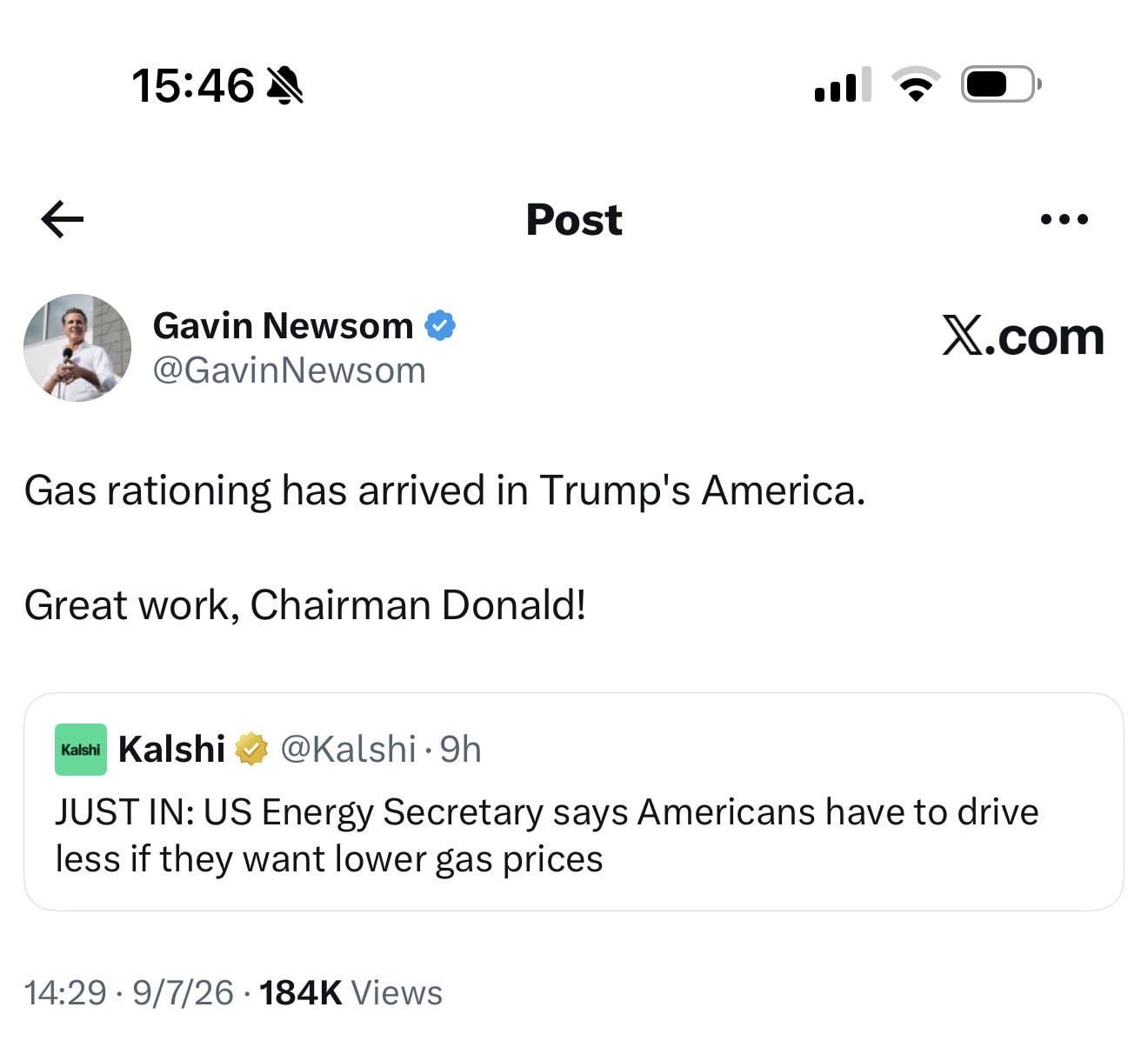
Everything regarding Agriculture (not just in the US, look at how much of the russian harvest is just rotting on the fields this year because of the lack of fuel) is heavily dependent mostly on diesel fuel. All those large machines use lots of fuel, and they are used in every step - preparing the ground, fertilizing, planting and harvesting. The way the US is doing things, transportation also uses fuel for giant fleets of trucks for most of the distance - transportation by train exists, but suffers from decades of neglect and having to compete with subsidized fuel prices. If americans had to pay for fuel without externalizing costs, i’m sure that the train network would suddenly have enough resources to expand and do long overdue maintenance.
Sure, cattle is a huge part of the problem, but the above process is CO2-heavy even in areas where it would not have to be.
Do you have a source for this?
I find that everything related to meat and fish production produces 13.78% of global emissions excluding transport ([wikipedia] (https://en.wikipedia.org/wiki/Greenhouse_gas_emissions_from_agriculture?wprov=sfti1)) or 53% of all agricultural emission, while the whole supply chain is 18% of agricultural emissions, thus 4.6% of total.
So meat production is by far the driver of agricultural emission, even if obviously the whole chain could become cleaner.
Additionally, all freight transport accounts for 30% of transport emissions, so a total of 6% of global emissions. So banning all camions would achieve half of what vegetarianism would achieve.