

§ɦṛɛɗɗịɛ ßịⱺ𝔩ⱺɠịᵴŧ
I would rather have questions that can’t be answered than answers that can’t be questioned. – Rich Feynman
- 57 Posts
- 6 Comments


 6·9 months ago
If we can hit that bullseye, the rest of the dominoes will fall like a house of cards. Checkmate.

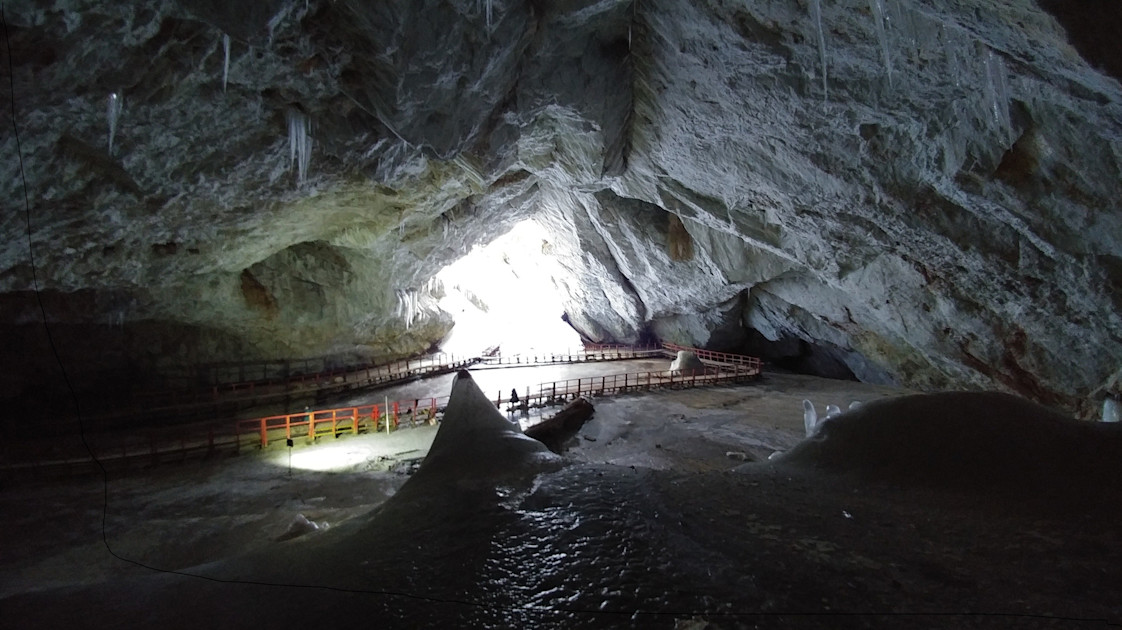
The bacteria will eventually be revived in one way or another, and it’s just hanging out around our poles right now. So getting information about the microbe seems like a better idea than waiting for it. Not only is it not anticipated to be a human pathogen (only 5/37 of known Psychrobacter species are pathogenic), but it may also contribute to the reduction of antibiotic resistance thanks to its ~600 novel genes.
“The researchers found almost 600 genes with unknown functions, suggesting a yet untapped source for discovering novel biological mechanisms. Analysis of the genome also revealed 11 genes that are potentially able to kill or stop the growth of other bacteria, fungi, and viruses.”
Nevertheless, BSL III & IV labs are remarkably secure. However, pathogenic psychrobacter is an opportunistic pathogen that requires an immunocompromised individual. So sure, it is not entirely risk-free, but the fact it’s unlikely to be pathogenic and wouldn’t be a significant issue if it were makes it worthwhile to uncover information about this ancient species. Especially if this research unveils new methods for killing other pathogens and having some breathing room regarding antibiotic resistance.


Not sure what’s up with Nature’s website on your end, but here’s the link that’s working for me to access the paper, which was published today (10-3-25): https://dx.doi.org/10.1038/s43018-025-01054-6
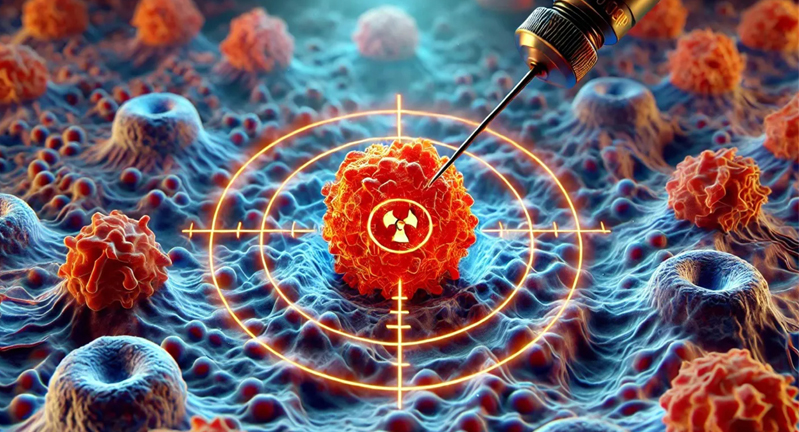
Nonetheless, a paper from 6 years ago studying a receptor found on almost half of immune cells should have more current information available by now, if not already. In science, we build on the shoulders of giants and try to expand on the knowledge they helped us understand. Additionally, the older study examines SLAMF6’s function across health and disease, so it’s much more generalized. The new study aims to provide additional context for the earlier findings and focuses on acute myeloid leukemia in particular. I have a PhD in immunology, and it’s astonishing how little we actually understand about the subject. All in all, we understand the ocean better than the immune system, even though there’s more we don’t know about the ocean than we do. Even crazier is that most of our current understanding in immunology is actually for a rat’s immune system and not humans! But you’re not wrong to be cautious, all research papers should be read with a healthy amount of scrutiny. A wise man told me in undergrad that half of what we’d cover in the course would be incorrect, we just don’t know which half.




Yep, cellulose is a beta pleated sheet, unlike carbs/sugars, which are alpha helices. We’re always ready to breakdown the alpha helices form of sugar, but due to the molecular structure of cellulose, we need help. This is were these enzymes come in from our microbiome. All this also ties into how in Western countries, most folks tend to be unable to breakdown cellulose due to the lack of the specific bacteria in our biome capable of producing this enzyme. However, in African and Asian countries, these bacteria are common place, so these cultures have been able to digest cellulose for ages!
 0·3 years ago
Since Redhat will be dropping x11 with Fedora 39, I’m hoping it’ll be all systems a go in the near future.
The install can be pretty tough with Qubes as the compatible hardware for it is quite narrow. But if this is what you go with, be sure to setup and play with Whonix!