I know very little about this field, but I was under the impression that panspermia was not particularly well-supported amongst scientists. There is a joint NASA-ESA mission to get samples from Mars back to Earth and study them for evidence of life, but they both talk about it as Martian life rather than a potential origin of Tellurian life. Could you talk a bit about what makes you say the odds are even?
As I understand it we’ve identified nucleobases outside of Earth, but not nucleic acids. I don’t personally know how big a step it is between those components and then some actual assembled nucleic acids, but it’s definitely farther removed from what we generally consider to be life.
apparently Mars had a lot of water for quite some time
It did lose a lot, but it also still has quite a lot! It’s just mostly frozen and underground
Space is a really harsh environment and the odds of randomly getting between solar systems in bad before you start talking about survival parameters
While I agree, isn’t that still true for an in-solar-system event? It’s a lot less space, but we’re still going from “a ludicrous distance more than humans can really conceptualise” to “also a ludicrous distance more than humans can really conceptualise even though it’s orders of magnitude smaller”
I do agree that it’s absolutely worth testing, though, because whatever we find or disprove is interesting to know


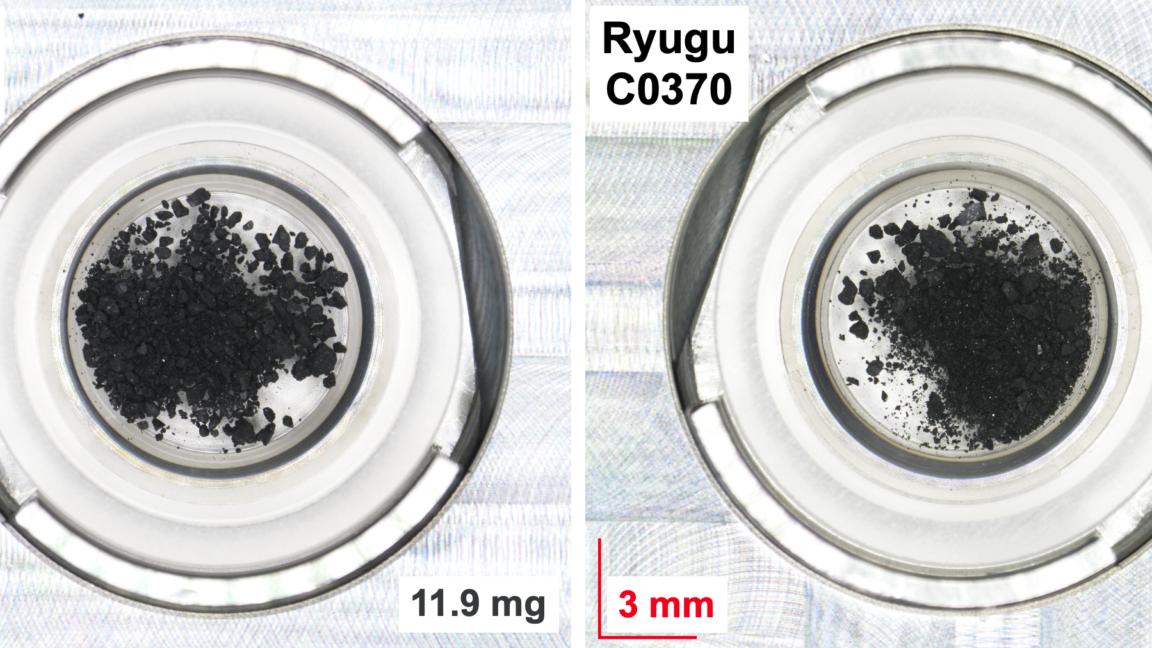
deleted by creator
I know very little about this field, but I was under the impression that panspermia was not particularly well-supported amongst scientists. There is a joint NASA-ESA mission to get samples from Mars back to Earth and study them for evidence of life, but they both talk about it as Martian life rather than a potential origin of Tellurian life. Could you talk a bit about what makes you say the odds are even?
deleted by creator
As I understand it we’ve identified nucleobases outside of Earth, but not nucleic acids. I don’t personally know how big a step it is between those components and then some actual assembled nucleic acids, but it’s definitely farther removed from what we generally consider to be life.
It did lose a lot, but it also still has quite a lot! It’s just mostly frozen and underground
While I agree, isn’t that still true for an in-solar-system event? It’s a lot less space, but we’re still going from “a ludicrous distance more than humans can really conceptualise” to “also a ludicrous distance more than humans can really conceptualise even though it’s orders of magnitude smaller”
I do agree that it’s absolutely worth testing, though, because whatever we find or disprove is interesting to know
deleted by creator
deleted by creator